
WSU Tech Foundation case study
From PDF forms to 650 applications: how the WSU Tech Foundation built its scholarship program
A three-person Foundation in Wichita puts a 650-application cycle through review in about eight hours per reviewer, and awards post to the student system the night a student completes their follow-ups.
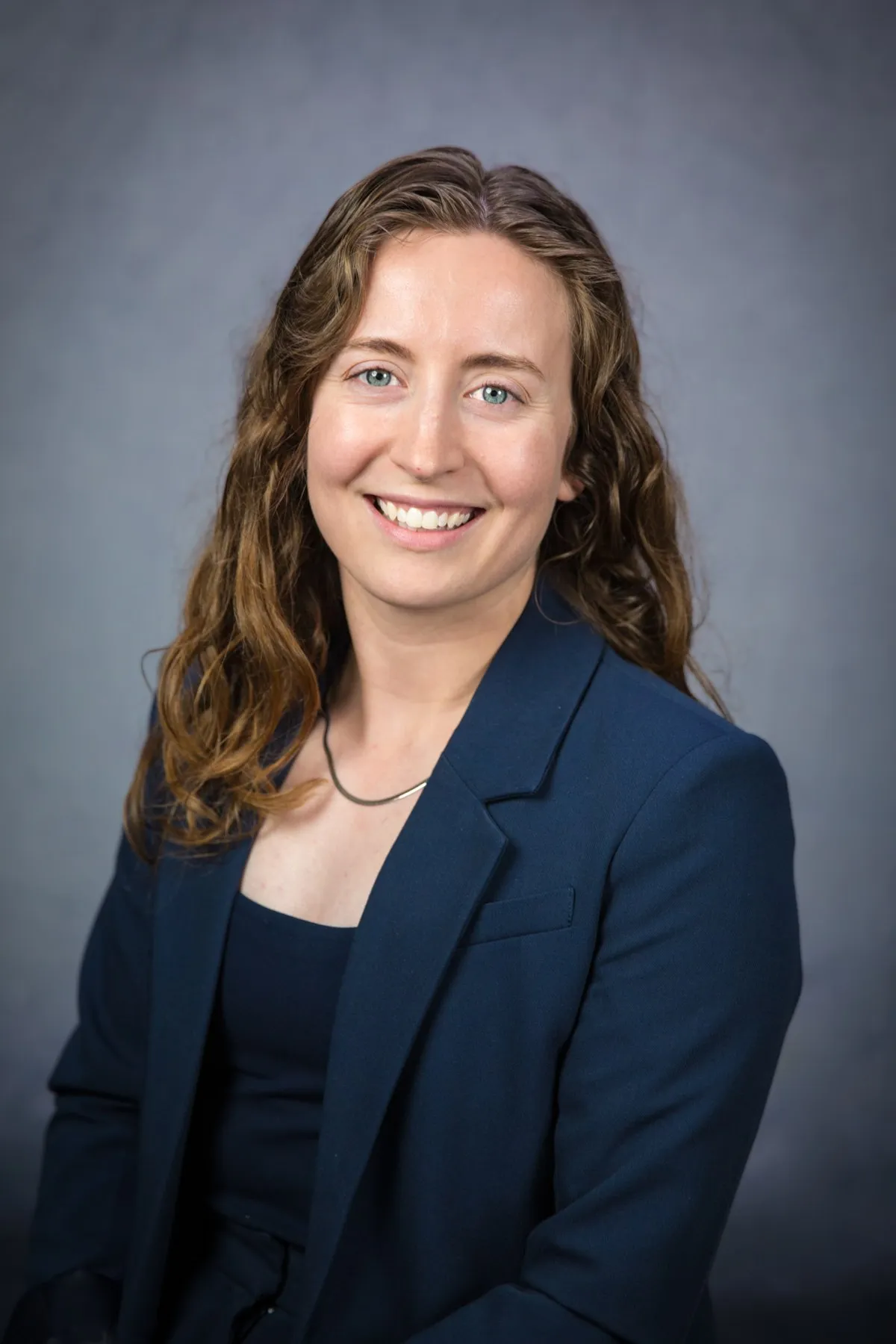
Sydney Bolin, CNP
Assistant Director of Operations, WSU Tech Foundation
WSU Tech, Kansas’ largest technical college, offers more than 100 degree and certificate options in high-demand fields including aviation, manufacturing, healthcare, skilled trades, business and technology, along with transferable general education courses. Its Foundation operates with a small team of three full-time employees: two on development and one, Sydney Bolin, carrying prospect development, data analytics, database administration, and the scholarship operation. “Having a tool that allows me to do everything as efficiently as possible is really important to us,” she says, “because we’re a small team.”
Before there was a cycle
Before AwardSpring, the Foundation managed a much smaller scholarship program through individual PDF applications. Applications were reviewed one at a time, and staff manually matched students with available scholarships. As the program grew, the process became harder to manage, and students had no single place to see all of the opportunities available to them.
The tipping point came when the Foundation’s executive director raised more scholarship dollars than one person could administer, and recognized the deeper problem: students had no way to see what they could qualify for. Every award depended on someone inside the college noticing them.
The answer came from her peers
Kansas’ community and technical colleges gather once a year to compare notes. When WSU Tech Foundation’s executive director told that room the Foundation needed a real scholarship system, multiple colleges gave the same answer: have you looked at AwardSpring?
The numbers a three-person Foundation carries now
The first AwardSpring cycle, fall 2022, closed with 134 completed applications. The cycle that closed this September 4 drew 650 completed applications for the 26-27 academic year, with approximately $450,000 available to award, up from $160,000 that first year. The Foundation ended up awarding about 300 students. It was the largest scholarship cycle in the Foundation’s history.
The gap she went hunting for
Sydney calls herself a data nerd, and the first thing the data showed her was a gap nobody had ever seen: 1,970 students logged in and started looking this cycle, and 650 finished. Before the platform, that gap was invisible. “We didn’t have the data or any system that could read us those numbers,” she says. So she went after it: automated reminders now go to every student who starts an application without finishing, four emails on a set cadence, with a final nudge the day before the cycle closes. This year that last-day reminder produced more than 90 completed applications on the final day alone, and the completion gap is the smallest it has ever been.
“Before AwardSpring, we didn’t even know the gap existed. We didn’t have the data. Narrowing that gap over the last few years is something I’m really proud of.”
Sydney Bolin, CNP, Assistant Director of Operations, WSU Tech Foundation
Eight hours per reviewer for 650 applications
Review used to mean manual matchmaking, people sitting with applications and guessing who fit which fund, about 40 hours for a far smaller cycle. This year’s 650 applications took roughly eight hours per reviewer: rubrics auto-score the numerical criteria in every donor agreement, GPA and credit hours and the rest, and the committee spends its time on the one thing it refuses to automate. “We like to read the essays,” Sydney says. “It’s our favorite part.” About 15% of WSU Tech students choose to submit theirs as a video instead of a written statement, a barrier removed for students who would rather talk than type.
“We haven’t turned on AI review for the essays. We like to read them. It’s our favorite part.”
Sydney Bolin, CNP, Assistant Director of Operations, WSU Tech Foundation
The award that posts itself overnight
Two years ago Sydney implemented the piece she is proudest of: a nightly feed from AwardSpring into the college’s student system. Before it, awarding meant a spreadsheet of about 200 students, fall and spring portions, detail codes, and ID numbers, emailed to the business office and financial aid to be keyed in row by row, roughly 40 hours of manual entry, while students opened invoices showing full balances and asked when their scholarship would hit. Now, the night a student completes their required follow-ups, the award posts automatically. Some recipients see their balance drop to zero, and the “where’s my scholarship?” questions have simply stopped. The integration took months, largely because WSU Tech’s student system runs a non-standard configuration, and it made her a believer in the people behind the product: “I can’t sing the praises of the support team enough.”
Built around their donors
The Foundation leans hard on customizable post-award follow-ups: thank-you notes for donors, consent for the recipient video the Foundation films every year, and every piece of information a specific donor agreement requires, all collected before an award releases. What used to be chased by email now arrives as a condition of acceptance.